Tennis surfaces are graded by how fast the ball comes off them. A hard court plays quick and rewards a big serve; clay slows the ball and lengthens rallies; synthetic grass sits in between and needs the least upkeep.
The choice is not only about play. Rainfall, sun exposure, how many hours a day the court runs and who maintains it all point to different surfaces.
| Item | Specification |
|---|---|
| Court size | 23.77 m × 10.97 m (doubles) |
| Singles width | 8.23 m |
| Total area | Minimum 34 m × 17 m with run-off |
| Net height | 0.914 m at centre |
| Surface | Acrylic / synthetic grass / clay |
| Coating | 6–8 layer acrylic system |
| Base | Concrete or bituminous |
| Fall | 1:100 for surface drainage |
Which one is right depends on rainfall, hours of play and what is already on the ground.
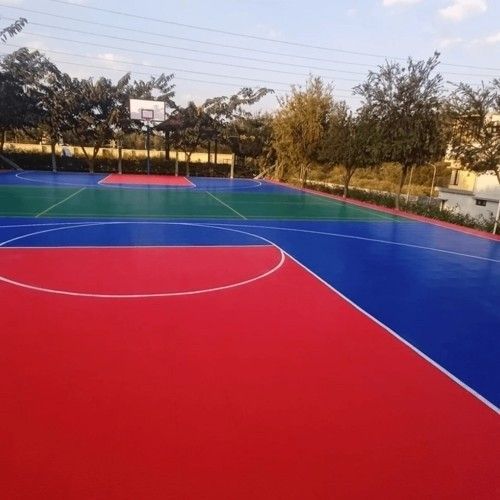
Multi-layer acrylic. Fast, low maintenance, the most common choice.
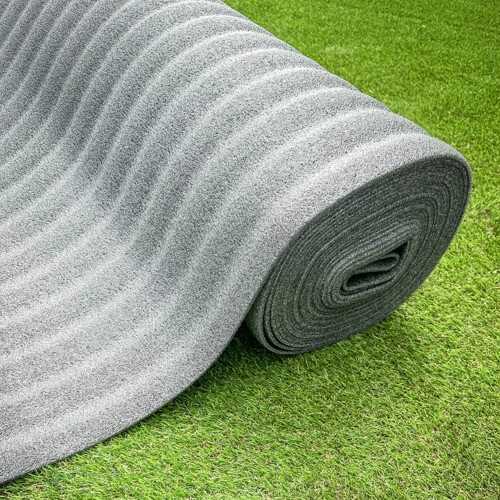
Added rubber layer for player comfort on high-use courts.
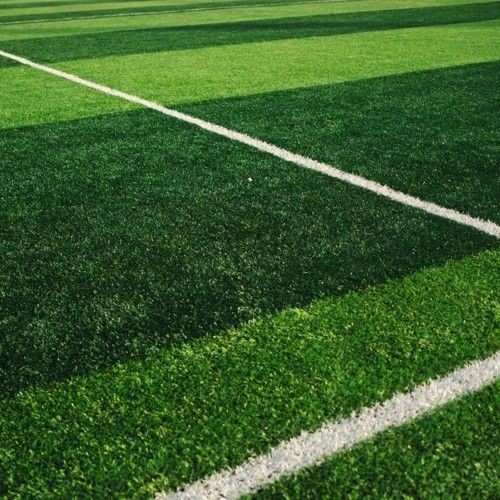
Sand-filled short-pile turf. Softer, quieter, very low upkeep.
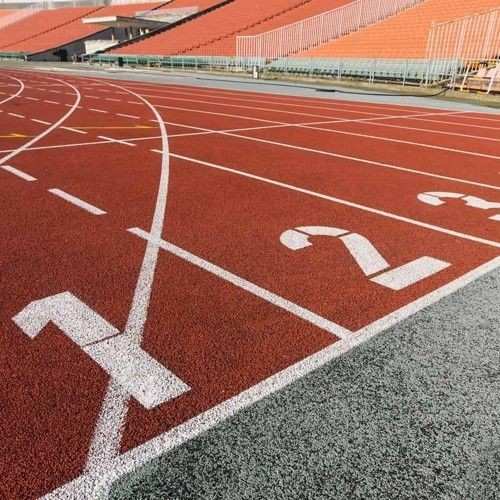
Traditional slow surface. Beautiful to play on, demands daily care.
Send the sport, the area and the location. We come back with a specification and a number — after a site inspection, not a guess.